But just as Kurt Cobain's Nevermind was setting the tone for a generation, across the Atlantic, a different movement was beginning to stir—one that didn't embrace pessimism but rather defied it with anthems of hope and resilience.
At the heart of this counter-movement was Oasis, a band from Manchester, whose music was as much about swagger and confidence as it was about melody and anthemic choruses. And if there was ever a song that best exemplified their rejection of grunge’s self-loathing ethos, it was Live Forever.
The Cultural Climate: A World Drenched in Grunge’s Despair
Before Oasis exploded onto the scene, grunge was the defining sound of youth disillusionment. The Seattle-based genre blended punk, alternative rock, and heavy metal, but what set it apart was its message. The lyrics often reflected themes of self-destruction, isolation, and existential crisis.
Load Up On Guns and Bring Your Friends
Kurt Cobain, the reluctant figurehead of the movement, openly sang about his struggles with fame, drugs, and depression. Songs like "I Hate Myself and Want to Die" (a working title for Nirvana’s In Utero album) encapsulated the bleak outlook many young fans related to.
Oasis, however, weren’t buying into it.
"Live Forever": The Anthem of Optimism
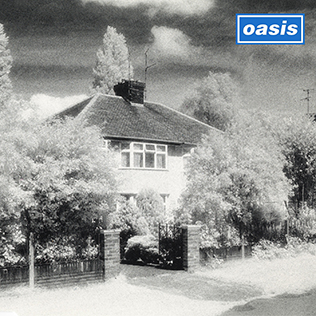
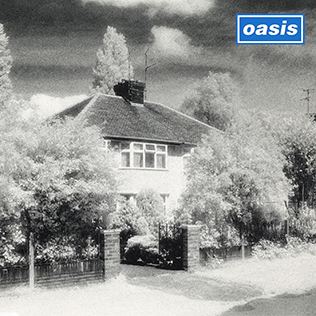
Released as the third single from their 1994 debut album *Definitely Maybe*, "Live Forever" was not just another song—it was a statement. Written by Noel Gallagher, the track took direct aim at the melancholy of grunge and presented an alternative philosophy. Where Cobain’s lyrics were filled with resignation, Noel’s words were filled with hope and defiance.
In an interview years later, Noel openly admitted his inspiration for writing the song came from hearing Nirvana’s "I Hate Myself and Want to Die." He recalled his reaction:
"I remember thinking, ‘Well, I’m not having that.’ As much as I fucking like him and all that shit, I’m not having that. I can’t have people like that coming over here, on smack, fucking saying that they hate themselves and they wanna die. That’s fucking rubbish."
Instead of dwelling on despair, Live Forever was about celebration, perseverance, and belief in something bigger. Its lyrics rejected the "tortured artist" stereotype and instead embodied the get-up-and-go mentality that Noel and Liam Gallagher, both working-class lads from Manchester, had carried with them from the beginning.
Lyrics That Spoke to a Generation
The opening lines of Live Forever are simple, yet incredibly effective:
"Maybe I don't really want to know
How your garden grows
I just want to fly"
Unlike grunge's introspection and focus on emotional turmoil, this song was about escape and ambition. It didn't wallow in self-pity—it soared beyond it. Lines like:
"We see things they'll never see
You and I are gonna live forever"
offered something profoundly different from the prevailing ethos of early '90s alternative rock. Live Forever wasn’t just a song; it was a mission statement.
Musical Composition: A Euphoric Rejection of Gloom
Beyond the lyrics, the sound of "Live Forever" was an equal contrast to grunge’s murky, down-tuned aesthetic. Where grunge bands like Nirvana and Soundgarden thrived on sludgy, distorted guitars, Oasis brought in:
- Bright, ringing Chords
- A soaring guitar solo
- Uplifting Melodies
- An anthemic, singalong chorus
Producer Owen Morris, who worked on Definitely Maybe, played a crucial role in making sure the song felt as monumental as it was. He described it as "one of the most emotional songs Oasis ever recorded."
Liam Gallagher’s vocals on Live Forever were a revelation. While many grunge singers employed a detached, almost forced weariness, Liam sang every line with an unparalleled conviction. His voice had a rawness to it, but it wasn’t drenched in sadness—it was filled with attitude and belief.
Britpop vs. Grunge: The Larger Battle of Ideologies
Oasis weren’t alone in challenging grunge’s dominance. The Britpop movement, which included bands like Blur, Pulp, and Suede, actively distanced itself from the American **cynicism and gloom that came with grunge.
Where grunge often revolved around themes of personal suffering and isolation, Britpop was celebratory and outward-looking. Britpop embraced: British Culture & Identity, optimism and confidence, bold and anthemic song writing
This wasn’t just about music—it was about world view. Oasis weren’t just writing anthems; they were writing manifestos for a new generation of fans who wanted something more than just doom and gloom.
Legacy: Did Oasis Live Forever?
"Live Forever" became one of the most beloved rock songs of all time, outlasting grunge itself. By the late ‘90s, Nirvana was gone, grunge was fading, and even its leading bands were moving toward new sounds. Meanwhile, Oasis—at least for a while—were still playing stadiums and capturing the hearts of fans around the world.
Years later, Live Forever was voted the greatest song of all time in a Q Magazine reader poll, beating out The Beatles, The Rolling Stones, and David Bowie.
Even Noel Gallagher, never one to downplay his own achievements, has called it "the best song I’ve ever written."
Conclusion: Hope is the Strongest Drug of All
In the end, Live Forever wasn’t just a rejection of grunge—it was a celebration of life. It was about believing in yourself, rising above the noise, and choosing to embrace optimism instead of despair.
Oasis never needed to dwell in misery to connect with people. They proved that music could still be rebellious, still be real, and still be fucking massive — all without having to hate yourself in the process.
And for that reason alone, Live Forever remains one of the greatest anthems of all time.
So, next time you hear it, don’t just sing along. Remember what it represents.
I was Gutted I didn't Get to Meet Him
If we can cite the death of grunge as the death of Kurt Cobain, we'll leave the final word to Noel.


Comments
0 approvedNo comments yet. Be the first.
Leave a comment