
1993: King Tut’s Wah Wah Hut, Glasgow — discovery night
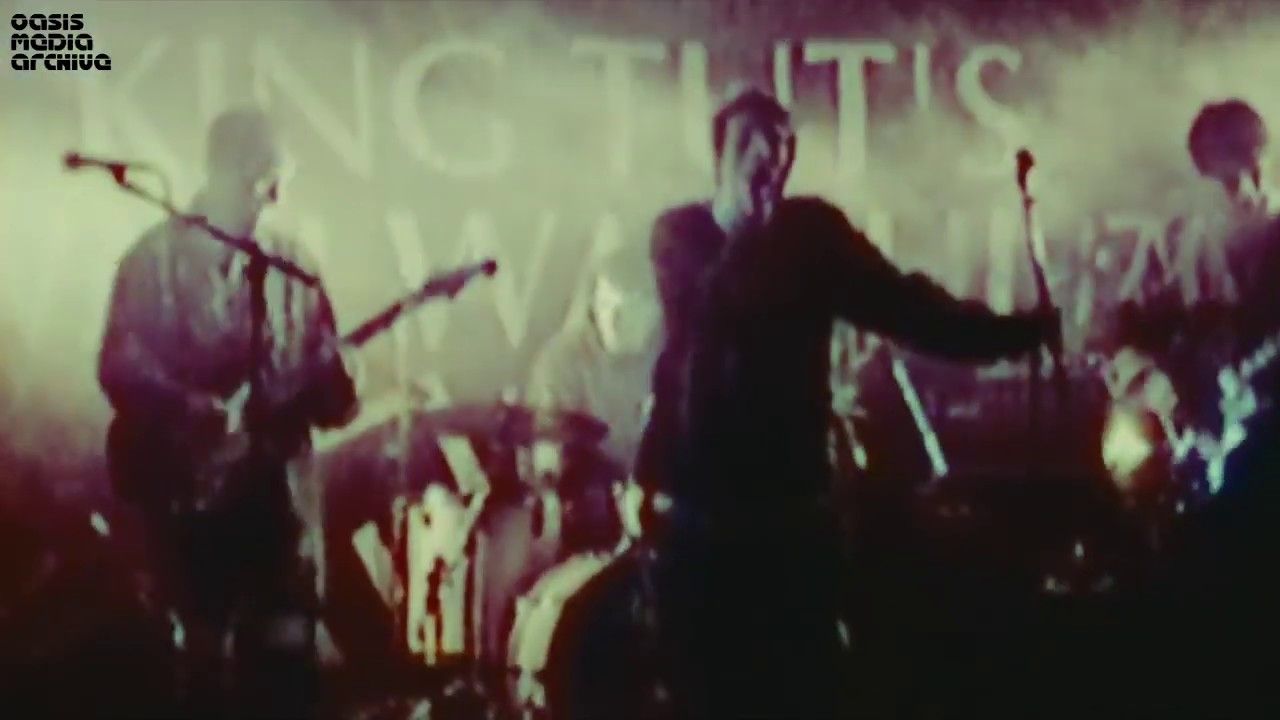
On 31 May 1993, Oasis played one of their most legendary early gigs at King Tut’s in Glasgow — a four-song set, though they weren’t even officially on the bill. Wikipedia+3Radio X+3The Guardian+3
According to Radio X, Oasis performed: “Rock ’n’ Roll Star”, “Bring It On Down”, “Up in the Sky”, plus a Beatles cover — “I Am the Walrus”.
It was at that gig that Alan McGee, co-founder of Creation Records, witnessed their performance and decided to sign them. Many accounts say he offered a contract almost on the spot.
Reflecting later, Noel Gallagher said:
“Fate is just a word to some people, but I understand it now.”
That moment—playing a Glasgow club and being discovered—has become part of the Oasis legend. King Tut’s, capacity ~300, was tiny compared to the stadiums they’d later fill.

The 1990s: Scotland under floodlights
As Oasis’s fame grew, their Scottish shows grew too. In 1994, they played multiple times in Glasgow (Tramway, Cathouse, Barrowlands) and also visited Dundee and Edinburgh, as well as the T in the Park festival.
Their 1996 shows at Balloch Castle Country Park (by Loch Lomond) became legendary. The two-night event drew 80,000 (officially) — though fans broke down fences, or rowed across the loch to reach the show.
By then, Oasis were no longer local hopefuls — they were headlining outdoor Scottish concerts on a massive scale, consolidating their status.
2000s: Stadium Scotland & the final Scottish show
Oasis played Glasgow Green in 2000 during one of their big UK tours, joined by artists such as Beck, Paul Weller, Stereophonics.
Their first show at Murrayfield Stadium came in 2000 (during the Standing on the Shoulder of Giants tour) as a stadium-scale visit to Scotland.
Their last Scottish show to date was on 17 June 2009 at Murrayfield, part of their world tour.
That night, Liam reportedly told the crowd:
“Scotland’s the fing b**ks and so are the people.”
The event was not without controversy: some reports of antisocial behaviour led to scrutiny of Murrayfield’s licensing after the concert.
During the 2009 show, the Gallagher brothers’ volatile relationship was already iconic, and that Murrayfield night has been cast in media as their last hurrah in Scotland before the breakup.
Fans and media often point back to King Tut’s as the tipping point — that improbable small-venue gig which changed everything for Oasis.

Significance & Legacy
Scotland was not just another leg on the tour for Oasis — it was foundational. The King Tut’s gig is part of their origin story, and Scottish audiences have witnessed them rise from club unknowns to stadium legends.


Comments
0 approvedNo comments yet. Be the first.
Leave a comment