
An extraordinary archive containing more than 100 hours of rare Oasis recordings is due to go under the hammer, despite reported concerns from the band about some of the material being sold.
The collection was assembled by the late Huw Richards, who worked as a sound engineer with Oasis during some of the most important years of the band’s career.
It contains 209 DAT tapes, 73 analogue cassettes and three MiniDiscs, covering the period from 1994 to 2001 — years in which Oasis went from newly signed hopefuls to one of the biggest bands in the world.
The contents are potentially remarkable.
Alongside live recordings and soundchecks are rehearsal tapes and candid conversations involving members of the band, including Liam and Noel Gallagher. One of the items highlighted ahead of the sale is connected to Oasis’s huge Loch Lomond concerts in 1996, while the wider archive documents the group both on stage and behind the scenes during its imperial phase.
That makes the collection far more than a conventional bundle of music memorabilia.
It is potentially a working archive of Oasis at their creative and commercial peak: rehearsing, performing, talking and developing material away from the polished recordings eventually heard by millions.
Littleton Auctions is handling the sale, which is scheduled for 3 October and has been valued at between £1.2 million and £1.6 million.
The auction house says the provenance of the collection has been checked and that the sale is being conducted legally.
However, reports suggest Oasis have concerns about the auction and would prefer the recordings to be returned to the band.
That creates an important distinction between owning the tapes themselves and owning the right to exploit what is recorded on them.
A successful bidder may acquire the physical archive, but that would not automatically grant permission to commercially release previously unheard Oasis music, conversations or performances. Copyright, performance rights and other intellectual-property issues would remain separate from ownership of the tapes.
In other words, this is not simply a collection of unreleased Oasis albums waiting for somebody to press them onto vinyl.
Its real value may lie elsewhere.
The tapes appear to offer an unusually intimate record of how Oasis worked during a period already buried beneath decades of mythology, interviews and competing versions of events. Rehearsals, soundchecks and unguarded conversations can sometimes reveal more about a band than the finished records ever could.
That is also what makes the sale sensitive.
There is an obvious historical argument for preserving material like this, particularly from a band whose place in British popular culture is already secure. But there is an equally obvious question about whether private or semi-private recordings made around musicians at work should become commodities simply because the physical tapes have changed hands.
The timing adds another layer.
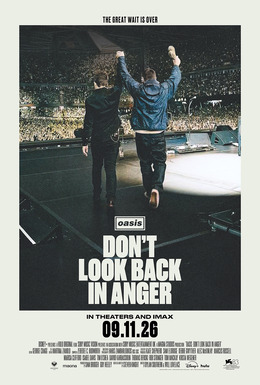
With Oasis reunited and Don’t Look Back in Anger bringing the story of their comeback to cinemas, interest in unheard and unseen material from the band’s past is arguably greater than it has been for years.
That makes an archive of this scale commercially understandable.
It also makes the question at the centre of the auction harder to ignore: when a collection becomes part of music history, who should ultimately control it — the person who owns the tapes, or the people whose lives are recorded on them?

Comments
0 approvedNo comments yet. Be the first.
Leave a comment